Dysphagia means trouble swallowing. It can happen after a stroke, cancer treatment, or with certain medical conditions. For many older adults, it can develop gradually with age – a process called presbyphagia.
Even though it is very common, dysphagia often goes unrecognized. People might cough when they eat or take longer to finish a meal, without realizing something deeper is going on. Over time, those small changes can lead to weight loss, dehydration, or pneumonia.
One of the most serious risks is aspiration pneumonia. This happens when food, liquid, or even saliva accidentally goes into the lungs instead of the stomach. The mouth naturally carries bacteria, so when this material reaches the lungs, it can cause infection.
Aspiration pneumonia is one of the leading causes of hospitalization and death among older adults – yet it can be preventable with early detection and proper swallowing care.
What's harder to measure is how isolating it can feel. Eating is social. When meals become stressful, many people pull back from family gatherings or stop eating foods they enjoy. Something as basic as drinking water can start to feel risky.
Why Technology Matters
About 1 in 25 adults in the U.S. experiences dysphagia. Unfortunately, many of these individuals never get the help they need. As more people survive serious illnesses like cancer, live longer with various health conditions, and as the population ages, the demand for effective treatments is increasing.
Access to care remains one of the biggest challenges. In rural areas, patients might live far away from specialists who can help them with swallowing therapy. Even when therapy is available, the necessary tools can be costly and not easily found.
This means countless people who could benefit the most, especially those living in smaller towns or with limited resources, are left with very few options. Affordable, and easy-to-use technology could change this situation by bringing swallowing care closer to home, making better treatment accessible to more families.
A Clinician and a Patient Working Together
Elizabeth, a medical speech pathologist, has dedicated her career to helping patients with swallowing difficulties. She understands that many of these individuals simply want to eat without fear.
Her compassion led her to connect with Ed, a survivor of head and neck cancer who has faced challenges with swallowing for over 20 years. Together, they identified a significant issue: many individuals with swallowing difficulties lack the resources to practice and track their therapy outside of the clinic.
Instead of working separately, they combined Elizabeth's clinical expertise with Ed's personal experiences and engineering background to create a practical solution that could assist others facing similar challenges.


Portraits of Elizabeth Lipton Daly and Ed Steger, collaborators in developing the Tongueometer to support people with swallowing difficulties.
The Creation of the Tongueometer
Their teamwork resulted in the development of the Tongueometer. This device blends clinical knowledge with user-friendliness and smart design. It measures how strong and enduring the tongue is and provides feedback through a smartphone or tablet.
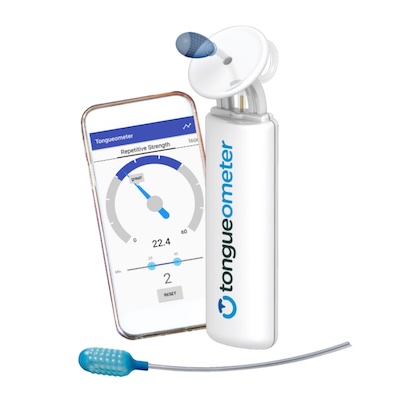
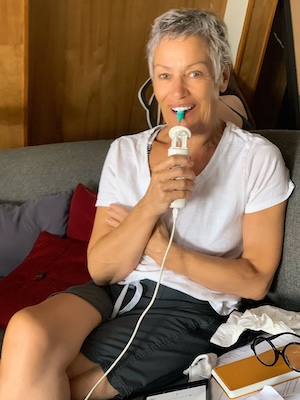
The Tongueometer device with its smartphone app interface, and a demonstration of the device being used for swallowing therapy exercises at home.
This makes therapy not only more interactive but also easier to track. Patients can follow exercise plans, monitor their progress, and share their results with their therapists.
What Makes the Tongueometer Special
What makes the Tongueometer special is not just its affordable price and portability, but the collaborative way it was designed with input from both patients and therapists. Instead of simply asking, "How do we create another tool?", they focused on the bigger question: "How can we make swallowing therapy easier and more sustainable for everyone?"
Looking Ahead
The Tongueometer illustrates the power of teamwork between healthcare providers, patients, and engineers. In the future, devices like this could work alongside telehealth services, allowing clinicians to check on their patients' progress remotely.
This could mean adjusting therapy in real-time and providing support without requiring frequent in-person visits. With ongoing advancements in technology, even more personalized feedback could become possible.
DTAR is committed to reducing barriers to care. In partnership with the makers of the Tongueometer, a discount is available for DTAR readers whose clinicians recommended the device as part of their swallowing therapy. DTAR does not profit from this – our goal is to make safe, effective swallowing therapy tools more accessible to families and clinicians.
If your clinician has recommended swallowing exercises or you're supporting someone with dysphagia, know that innovation and advocacy are moving this field forward.
Join DTAR as we spotlight innovators, caregivers, and families shaping the future of dysphagia care.